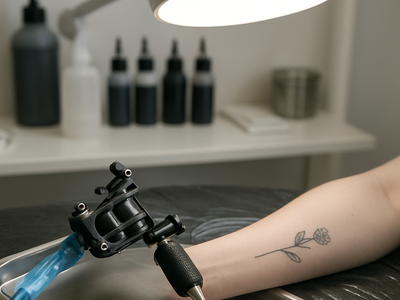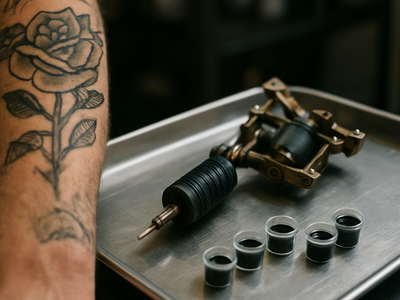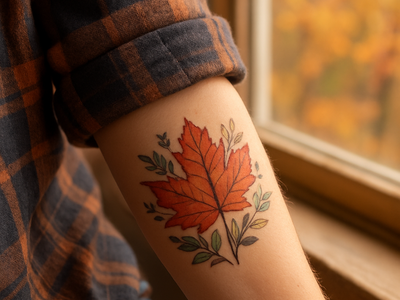
You just dropped four hundred dollars on a forearm piece and now you’re standing at the counter doing mental math while the receptionist waits. Do you tip? How much? Does it change if the piece took six hours instead of two? Nobody explains this before you walk in, and somehow it’s the one part of the whole process that makes people more anxious than the needle does.
Yes, You Should Tip
Tattooing sits in this weird cultural bucket where it’s treated like both a trade and a service industry job, and honestly it’s both. Most artists rent their chair or booth from the shop and keep a cut of what they charge, similar to how a hairstylist or barber operates. Tipping isn’t mandatory the way sales tax is, but it’s expected in most Western shops the same way it’s expected at a sit-down restaurant. Skipping it entirely, especially on a big piece, reads as a little clueless.
The Actual Numbers
Twenty percent is the standard baseline, same as you’d tip a good waiter. Fifteen percent if you’re being tight but still polite about it. For smaller pieces under a hundred dollars, a lot of people just round up or throw in twenty to forty dollars flat rather than doing percentage math on a fifty-dollar flash tattoo.
For bigger sessions, the math gets more personal. Some people tip a flat percentage of the whole session regardless of length. Others tip more generously for multi-hour sessions because they know the artist’s hand and focus took a real physical toll. There’s no rulebook here, just a general sense that the tip should reflect that this person spent real hours of concentration on your skin, not just labor.
When People Skip It (and Why That’s a Mistake)
The most common excuse is “the tattoo was already expensive.” Sure, but the price of the tattoo is the artist’s rate, not their tip. Comparing it to buying furniture or paying a mechanic misses the point. This is closer to a personal service than a retail transaction; you’re paying for someone’s time, skill, and the fact that they’re the one who has to live with a bad review if it goes wrong.
Another excuse: “I already gave them a deposit.” A deposit isn’t a tip. It’s just how the shop reserves your appointment time and protects the artist from no-shows. Totally separate bucket of money.
Cash Still Wins
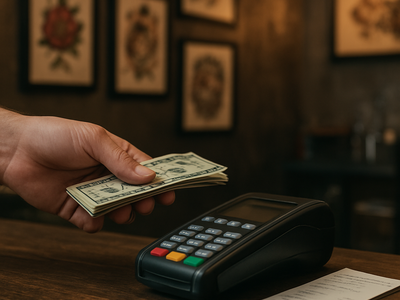
Card tips are fine if that’s all the shop offers, but cash is still preferred in most tattoo circles. Shops sometimes take a processing cut on card tips, or the tip gets folded into payroll and taxed differently than a handed-over twenty. If you know you’re getting tattooed, it’s worth swinging by an ATM beforehand so you’re not stuck asking the front desk to break a hundred.
What About Apprentices or Guest Artists?
Apprentices working under supervision still deserve a tip, even at a discounted rate, because they’re doing the same physical work with less experience to lean on. Guest artists visiting from out of town are often working extra hard to build a local following, so tipping well here goes a long way and might get you bumped up the priority list next time they’re in town.
The One Exception
Some high-end studio owners and celebrity-adjacent artists explicitly state they don’t accept tips, usually because their day rate already reflects their reputation. If that’s posted somewhere in the shop or mentioned during consultation, take them at their word instead of awkwardly insisting.
Outside of that, when in doubt, tip. It’s cheap insurance against being remembered as the client who didn’t.