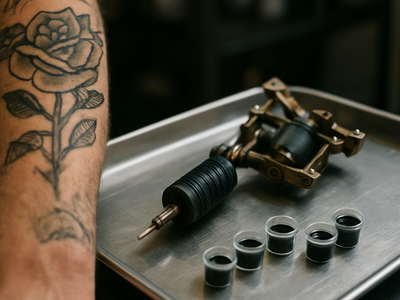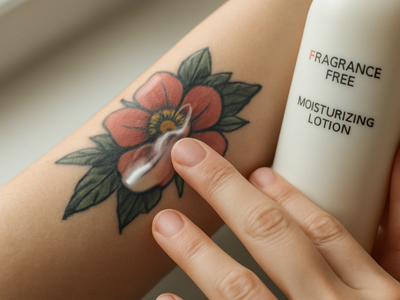
Every couple of months a numbing cream ad shows up in your feed promising a pain-free tattoo session, usually paired with a video of someone smiling through a full sleeve like it’s a spa day. Tempting, especially if you’re staring down a multi-hour session on your ribs this summer. But before you drop twenty bucks on a tube of magic goo, it’s worth knowing what these products actually do to your skin and your session.
What’s actually in the tube
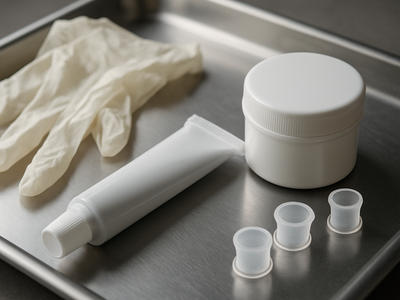
Most over-the-counter tattoo numbing creams rely on lidocaine, sometimes paired with benzocaine or tetracaine, all topical anesthetics that block nerve signals near the surface of the skin. That part is legit pharmacology, not snake oil. Dentists and dermatologists use the same active ingredients for minor procedures. The issue isn’t whether lidocaine works. It’s whether a thin cream applied to already-thick skin can actually get deep enough, fast enough, to matter once a needle starts going in.
Numbing creams typically only penetrate the top few millimeters of skin. A tattoo needle goes deeper than that, into the dermis, which is exactly where the pain receptors these creams are supposed to block still live. So you might feel less of the initial surface scratch, but the deeper, buzzier ache of the machine working? Still very much there for most people.
The vasoconstriction problem
Here’s the part artists actually care about. A lot of numbing creams cause vasoconstriction, meaning they shrink your blood vessels near the surface. Less blood flow can mean the skin doesn’t respond to the needle the way it normally would, which makes it harder for the artist to gauge how deep they’re going. Ink can end up sitting unevenly, healing patchy, or just not saturating the way it should. Plenty of artists have stories about a numbed-up client showing up with skin that looked fine going in and came out blotchy weeks later.
This is also why a lot of shops flat-out ban numbing cream, or only allow specific brands they’ve used before. It’s not artists being precious about authentic pain, it’s that they’ve seen what a bad reaction to numbing cream does to a piece they have to fix later. If you’re set on using one, it’s worth checking with a resource like the Alliance of Professional Tattooists, or more practically, just texting your artist ahead of time instead of showing up with it as a surprise.
If you’re going to use it anyway
Some people genuinely have a lower pain threshold, medical anxiety, or are booked for something brutal like inner bicep or ribs, and a numbing cream feels worth the risk. If that’s you, a few things matter more than the brand name:
- Apply it exactly as directed, not slathered on thicker than instructed thinking more equals better.
- Never wrap it in plastic wrap to boost absorption unless a product specifically says to. That’s how people end up with chemical burns.
- Tell your artist beforehand, every time, no exceptions.
- Expect it to wear off partway through a long session, because most only last one to two hours.
A product like Dr. Numb topical anesthetic cream is one of the more commonly cited options in tattoo forums, mostly because it’s been around long enough that people have actual data points on how it behaves, good and bad. That’s not the same as an endorsement to use it without clearing it with your artist first.
The honest take
Numbing cream isn’t a scam, but it’s also not the painless-tattoo cheat code the ads suggest. It might shave the edge off the first few minutes on thin-skinned areas. It’s not going to make an eight-hour back piece feel like a nap. If pain tolerance is genuinely a dealbreaker for you, the better move is usually shorter sessions, a more experienced artist who works efficiently, and honestly, just picking a spot on your body that hurts less to begin with.