Most people walk into a tattoo consultation ready to talk about the design and totally unprepared to talk about anything else. Then they sit in the chair three weeks later wondering why the placement feels off, or why the price jumped, or why the artist seemed annoyed when they asked a simple question. A good consultation isn’t just a formality before the real appointment. It’s the appointment where you find out if this artist and this idea are actually a match.

Skip the small talk about “how it’ll feel”
Everyone asks about pain. Fine, ask it if you’re nervous, but it’s not the question that determines whether you get a tattoo you’re happy with in ten years. Artists have heard the pain question a thousand times and have a canned answer ready. Spend your consultation time on things that actually shape the outcome instead.
Questions that actually matter
- “Can I see the sketch before the appointment, or the day of?” Some artists draw the night before and email it over. Others sketch right there in the chair while you wait, which is normal for a lot of custom work but can feel stressful if you’re the type who needs time to sit with an idea.
- “What happens if I want changes to the design?” This tells you whether small tweaks are expected and free, or whether a full redraw means rescheduling. Nobody wants to find that out mid-appointment.
- “How do you handle placement on a body that moves, like a shoulder or ribs?” A design that looks perfect flat on paper can warp weirdly once it’s wrapped around a joint or stretched over ribs. An artist who’s thought about this will talk you through it unprompted. If they haven’t, ask.
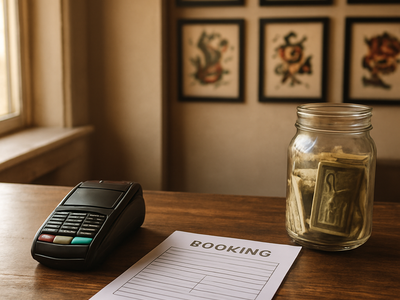
- “What’s your deposit policy, and is it non-refundable?” Standard practice, but the specifics vary shop to shop. Get this in writing or at least confirmed clearly before you leave.
- “How many sessions do you think this will take?” Big pieces sometimes get quoted optimistically. Knowing the realistic session count up front saves you from an awkward surprise about total cost and total healing time.
The question people forget entirely
Ask if they’ve done a patch test for anyone with sensitive skin before, or ask directly whether the studio uses inks with known allergen disclosures. Tattoo ink allergies aren’t common, but they’re not rare enough to ignore either, especially with red and certain colored inks. The American Academy of Dermatology has a solid rundown on what reactions look like and why patch testing exists for a reason, particularly if you’ve had a reaction to jewelry, dyes, or adhesives before.
Also worth asking, plainly: is the studio licensed, and are the artists individually certified through your state or local health department? Reputable shops won’t blink at this question. If someone gets defensive, that’s information too. The Alliance of Professional Tattooists has resources on what proper licensing and sterilization standards should look like if you want to know what you’re comparing against.
Bring the right stuff with you
Save your reference images somewhere you can actually pull up quickly, not scattered across three apps and a text thread. A lot of people find it easier to keep a physical sketchbook for placement notes, sizing ideas, and reference printouts rather than scrolling through a phone while the artist is trying to work. A simple hardcover sketchbook works fine for this and doubles as a place to jot down what you agreed on, which matters more than you’d think once a few weeks pass between consultation and appointment.
If the placement is somewhere like a shoulder, back, or ribs, wear something that actually lets the artist see the skin without you doing a weird half-strip in the lobby. A loose button-front shirt makes that fifteen times easier and honestly just makes the whole conversation less awkward for everyone involved.
The real point of a consultation
You’re not just booking a time slot. You’re finding out if this person listens, communicates clearly, and treats the questions you ask as reasonable instead of annoying. If a consultation leaves you with more confidence, not less, that’s usually the sign to book. If it leaves you with a vague uneasy feeling you can’t quite name, trust that too.