You post a design in a tattoo Facebook group asking for a price estimate and get answers ranging from $150 to $900. Nobody’s lying to you. Tattoo pricing is genuinely all over the place, and once you understand why, the numbers start making a lot more sense.
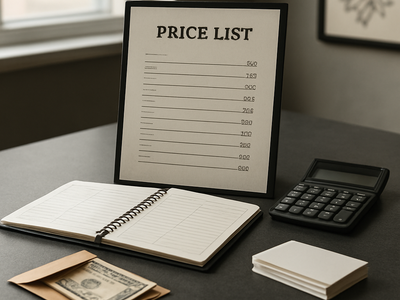
Most shops price one of two ways: hourly or flat rate. Flat rate is common for smaller, simpler pieces where the artist has a good sense of how long it’ll take. Hourly kicks in for anything bigger, more detailed, or custom enough that nobody can predict the timeline with a straight face. Hourly rates typically run anywhere from $100 to $300+, and that range isn’t random padding. It reflects experience, demand, location, and honestly, how in-demand that specific artist’s waitlist is.
Why the Same Tattoo Costs More in a Big City
Rent is the boring but true answer. A shop paying big-city commercial rent has to bake that into every hour an artist works. A studio in a smaller town with lower overhead can charge less and still turn a profit. This is also why “I got my whole sleeve for $400 in [small town]” stories don’t translate to bigger metro areas, and why it’s not really a fair comparison anyway.
Experience and Demand Aren’t the Same Thing
A ten-year veteran with a six-month waitlist charges more partly because they’re skilled, and partly because they can. Scarcity drives price the same way it does everywhere else. Meanwhile, a genuinely talented apprentice fresh off their apprenticeship might charge shop minimum just to build a portfolio. Cheaper isn’t automatically worse, but it does mean you’re taking on more risk with someone who has less to point to.
The Shop Minimum Exists for a Reason
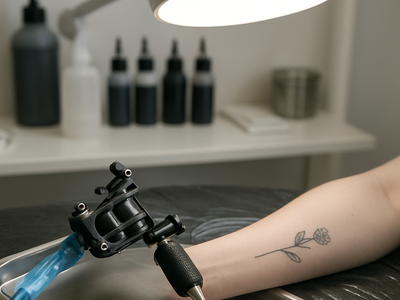
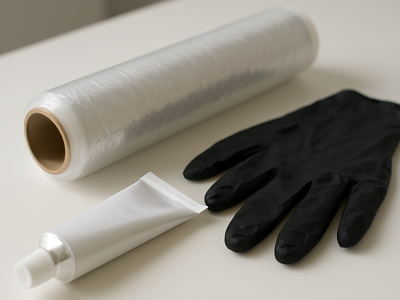
Every legit shop has one, usually somewhere between $80 and $150. It covers the setup cost: new needles, ink, gloves, barrier film, the artist’s time even if the tattoo itself takes ten minutes. If a place doesn’t have a minimum, that’s actually a small red flag worth noticing.
Deposits Aren’t Optional and Aren’t a Scam
Custom work almost always requires a deposit, usually $50 to $200, applied to your final total. It protects the artist’s time from people who no-show or ghost after getting a custom drawing made for free. If a shop asks for one, that’s normal. If a shop asks for the full amount upfront before any work is drawn, that’s worth a second look.
Tipping: Yes, You Should
Tattoo artists are usually independent contractors renting a chair, not hourly employees. Tipping 15-20% is the norm, more if the piece was complicated or the artist clearly went above and beyond. If you’re trying to budget for a big session, it helps to plan the tip in ahead of time rather than scrambling at checkout. The Alliance of Professional Tattooists has decent general guidance on what to expect cost-wise if you want more detail before you book anywhere.
Budgeting for a Bigger Piece
If you’re saving up for a multi-session sleeve or back piece, treat it like any other big purchase. Some people literally use a cash envelope system just for tattoo funds, which sounds old-fashioned until you realize it works. A simple envelope budgeting kit isn’t glamorous, but it keeps you from showing up $200 short mid-sleeve, which is a genuinely awkward conversation to have in the chair.
Once the work’s actually done, don’t cheap out on the aftercare either, since a botched heal can mean paying for touch-ups you didn’t need. Something like Hustle Butter Deluxe is a solid, artist-recommended option that a lot of shops sell at the counter anyway, so you might as well grab it online for less.
The real takeaway: don’t shop for tattoos by price alone. Ask what the rate includes, ask about the artist’s experience with your specific style, and remember you’re paying for a permanent result, not a Groupon. The math will make a lot more sense once you know what’s actually behind it.