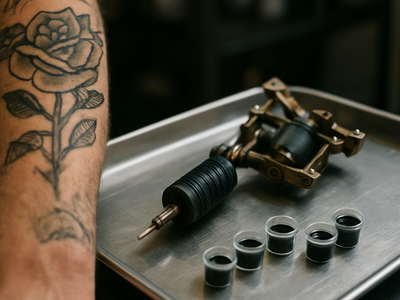
Every tattoo artist I’ve ever talked to says some version of the same thing: their booking calendar gets weird in October. Summer’s the obvious tattoo season because everyone wants to show off ink at the beach, but fall is quietly the better time to actually get one. Fewer sunburn risks, less sweat, no swimming pools tempting you two days post-session. The catch is that fall brings its own set of ways to sabotage healing, and almost nobody warns you about them until you’re already dealing with a crusty, irritated mess under your favorite hoodie.
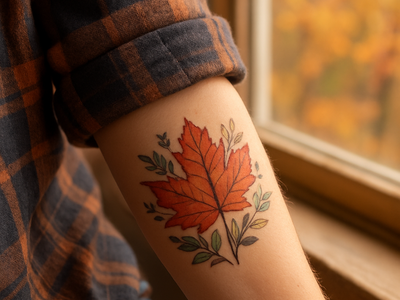
Why the season actually works in your favor
UV exposure is the number one enemy of fresh color and line work, and fall just naturally hands you less of it. You’re not baking outside for hours, you’re not slathering on sunscreen over an open wound (which you’re not supposed to do anyway), and the temperature is mild enough that you’re not sweating through your bandage before you even get home. Healing tattoos also do better in stable, moderate temps, not the sweaty chaos of July, not the cracked-dry misery of deep January.
There’s also a scheduling perk nobody talks about: artists tend to have more availability in fall since the summer rush dies down. If you’ve been eyeing a specific artist with a months-long waitlist, September through November is often your best shot at getting in sooner.
The part that actually trips people up
Here’s where fall gets sneaky. The second the temperature drops, two things happen that directly mess with tattoo healing: indoor heat kicks on, and you start wearing more clothes.
- Heaters dry everything out. Furnaces and space heaters strip moisture from the air, and dry air pulls moisture straight out of healing skin. That’s exactly when scabs get flaky and itchy, and itchy healing tattoos are how people accidentally pick at their ink and lose color.
- Sweaters and jackets create friction. A fresh tattoo rubbing against wool, denim, or a tight jacket sleeve all day is a recipe for irritation, scabbing that reopens, and slower healing overall. This is a bigger deal than people expect for forearm, shoulder, and rib pieces especially.
- Layering hides problems. When your tattoo is under three layers of clothing, you’re less likely to notice redness or irritation creeping past normal healing into infection territory, simply because you’re not looking at it as often.
The fix isn’t complicated, it just requires actually doing it. Run a humidifier in your bedroom while you sleep, a basic cool mist humidifier does the job and helps with dry winter skin generally, tattoo or not. Keep using a fragrance-free healing lotion even after the tattoo looks done, since fall air will keep pulling moisture out of your skin for months, not just the first two weeks.
Plan the placement around your wardrobe
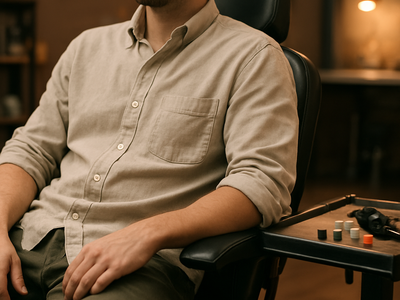
If you’re getting tattooed in fall, actually think about what you’ll be wearing over the next few weeks. Getting a piece on your forearm right before sweater weather means daily friction against fabric for at least the first two weeks of healing, which is the most fragile window. Loose, breathable layers over the tattoo site are worth the slightly colder walk to your car. If you can, wear something you can easily push up or take off in the studio and on the way home, button-downs and zip-ups beat pullover sweaters every time for this exact reason.
Same logic applies to leg and ankle tattoos once tights and thicker socks come into rotation. Loose sweatpants for the first week, even if you look like you just rolled out of bed. Nobody’s judging you, and your healing tattoo will thank you.
The bottom line
Fall gives you better healing conditions than summer in almost every way except one: your own closet works against you. Book the appointment, enjoy the shorter waitlists, but plan your outfits for the next two weeks like you’re protecting a fresh paint job, because that’s basically what you’re doing. Check out the general skin aftercare guidance most dermatologists point to, and cross-reference it with whatever your specific artist tells you, since studio-to-studio advice can vary slightly.