Scars come with stories, and sometimes the ending you want to write is a tattoo. Whether it’s an appendix scar, a burn, an old surgical line, or something from a chapter you’d rather not think about, turning it into art sounds simple. Ink goes in, scar disappears, everyone’s happy. Except scar tissue doesn’t behave like regular skin, and a lot of people find that out the hard way mid-appointment.
Scar tissue isn’t skin, it’s a patch job
Normal skin has an organized structure that lets pigment sit predictably in the dermis. Scar tissue is collagen thrown together in a hurry to close a wound, and it doesn’t have the same texture, elasticity, or blood supply. That means ink can go in unevenly, spread differently, or just not take at all in certain spots. Raised scars and keloids are especially tricky because the surface isn’t flat, so lines that look clean on paper can end up warped once they’re actually on you.
This is why so many artists will tell you no, at least at first. It’s not that they can’t physically do it. It’s that the results are unpredictable enough that a lot of shops don’t want to put their name on it, or they want you to wait.
The scar has to be fully healed, and that takes longer than you think
Fresh scars are still remodeling themselves for a solid year or two after the original injury. Tattooing before that process is finished can distort the healing scar further, mess with the tattoo’s appearance later, or in rare cases aggravate keloid formation if you’re prone to it. Most reputable artists want to see at least 12 to 18 months of healing before they’ll even consider working on the area, and some want two years for anything from surgery or a serious burn. If a shop says yes to a six-month-old scar with zero hesitation, that’s a red flag, not a green light.
Not every artist should do this work
Covering or incorporating a scar is a specialty, similar to cover-ups over old tattoos. You want someone who’s actually done it before and can show you healed examples, not just a portfolio of clean-skin work. Ask directly how they approach scar tissue, what they do differently with needle depth or shading, and what results they typically expect versus promise. If they’re vague or overly optimistic, keep looking. The American Academy of Dermatology has a solid breakdown of keloid risk that’s worth reading before you commit, especially if you scar heavily or have a family history of keloids.
Design choices matter more here than almost anywhere else
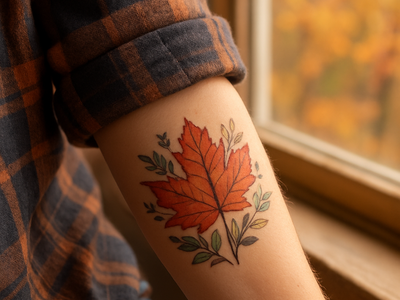
Bold linework and solid color tend to hold up better on scar tissue than fine detail or delicate shading, because the irregular texture eats subtlety alive. A lot of scar-cover tattoos lean into thicker outlines, botanical or geometric patterns that can visually break up raised or uneven texture, or designs planned specifically around the scar’s shape instead of ignoring it. Fighting the scar’s contour usually looks worse than working with it.
Aftercare needs extra attention
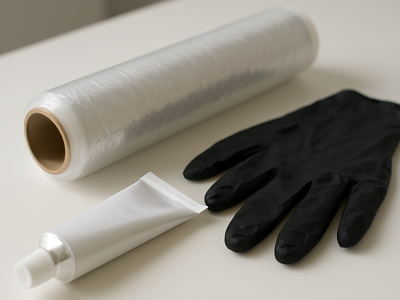
Scar tissue can be more sensitive and slower to heal from a fresh tattoo, so skip anything with fragrance or heavy irritants during recovery. A plain, unscented healing ointment does the job better than anything trendy. Something like Aquaphor Healing Ointment is a reliable, boring choice, which is exactly what you want on compromised skin. If you’re managing an older scar’s texture before you even get tattooed, some people use silicone scar sheets for months beforehand to flatten things out and give the artist a more even surface to work with.
None of this means don’t do it. Plenty of scar tattoos turn out genuinely beautiful and mean more than almost any other piece someone has. It just means this is one situation where patience and picking the right artist matter more than usual, and rushing it is how you end up disappointed twice over the same spot.