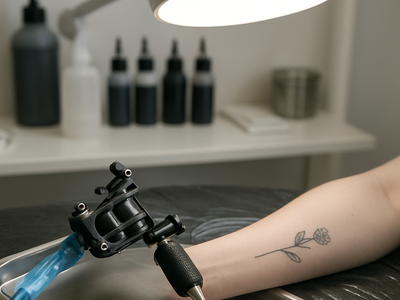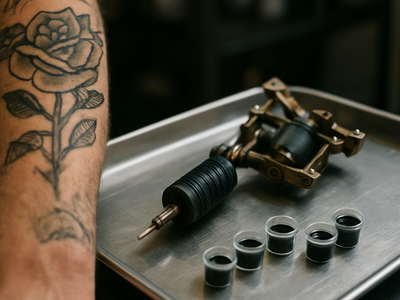
Preseason practices are in full swing right now, and every August I hear some version of the same story from tattoo artists: a kid gets a fresh piece the week before two-a-days start, and by day three they’re back in the shop asking why it looks like garbage. If you’re an athlete, or you’re parenting one, and a tattoo is on the wishlist before fall season kicks off, the timing matters more than you’d think.
Here’s the basic problem. A new tattoo is an open wound for roughly the first two weeks, even though it doesn’t always look like one. It needs airflow, cleanliness, and minimal friction to heal properly. Football pads, wrestling mats, soccer shin guards, swim gear, and basically every piece of contact-sport equipment invented are the exact opposite of that. Add sweat, shared gear, turf burns, and locker room showers, and you’ve built the perfect environment for irritation, infection, or a tattoo that heals patchy and scarred instead of crisp.
What Actually Goes Wrong
It’s not just theoretical. Friction from pads or straps can literally pull scabs off before they’re ready, which drags color out with them and leaves faded or blotchy patches. Sweat trapped under gear keeps the area damp for hours, which softens skin and makes it more prone to bacterial infection. Chlorine from a pool or lake water is rough on healing skin too. And communal surfaces — wrestling mats, weight benches, shared towels — are not exactly sterile. None of this means your tattoo will definitely get infected. It means you’re stacking the odds against a clean heal, and tattoo artists genuinely dread reworking something that got wrecked by a helmet strap.
So When Should You Actually Get It Done
The general rule most artists give is two to three weeks of low-impact downtime after a new tattoo, longer if it’s somewhere gear-heavy like shoulders, forearms, or shins. If your season already started, that window is basically gone until a bye week, an off-season stretch, or the gap between seasons. Realistically, the smartest time to book is right after your last competition of a season, not right before the first one. You get the healing window without sacrificing practice time or risking a coach benching you over a wound care technicality (yes, that happens).
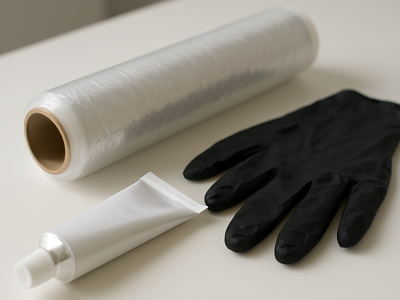
If you can’t wait and you’re getting inked mid-season anyway, at least stack the odds in your favor. A high-quality adhesive bandage made for tattoo healing, like Saniderm, can create a barrier against sweat and friction for the first several days, though you’ll still want to swap it out more often than usual if you’re training hard. Pair it with a gentle, fragrance-free aftercare balm instead of whatever’s sitting in the bathroom cabinet.
Talk to Your Coach and Your Artist
This sounds obvious, but people skip it constantly. Tell your artist about your training schedule before you book — a good one will actually place the piece somewhere less exposed to pads or straps if you ask. And if you’re on a school team, check whether there’s a policy about open wounds and contact sports; some athletic programs require a doctor’s note or a covered tattoo before you’re cleared to practice. The American Academy of Dermatology’s aftercare guidelines are a solid baseline reference if a coach or trainer wants something more official than “trust me, I looked it up.”
None of this is meant to talk you out of the tattoo. It’s meant to talk you out of getting it during the exact two weeks your body is least equipped to protect it. Wait for the bye week. Your ink will look better for it, and so will your season.