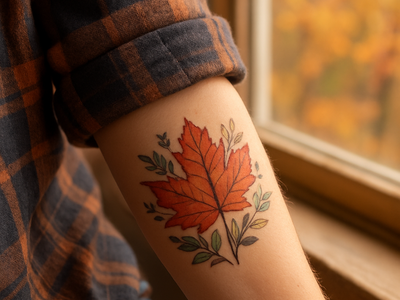
If you’ve spent any time in tattoo forums lately, you’ve probably seen the term “blast-over” thrown around like everyone already knows what it means. Here’s the short version: a blast-over is when an artist tattoos directly on top of an existing tattoo, without laser fading first, using bold new linework and saturated color to basically bury the old piece under the new one. It’s different from a traditional cover-up, which usually works around the shape of the old tattoo. A blast-over just goes over it, full send.
Why People Are Doing This
Blast-overs got popular partly because of Instagram and partly because laser removal is slow, expensive, and honestly kind of a pain. Not everyone wants to sit through six to ten sessions of fading before they can even think about new ink. A blast-over skips that whole process. You walk in with regret, you walk out with something you actually like, same day (or same session, at least).
It’s also become its own aesthetic. Bold traditional tattoos, heavy black work, and busy neo-traditional pieces all hide old ink shockingly well because the new lines and saturation just overpower whatever’s underneath. Some artists have built entire portfolios around this style.
The Catch (Because There’s Always One)
Not every tattoo is a good candidate for a blast-over, and this is where a lot of people get burned. Here’s what actually matters:
- Color matters a lot. Dark, saturated old tattoos are much harder to bury than faded gray-black linework. If your old piece is still solid black, a blast-over might need serious light-source planning or it just won’t cover.
- Placement and size need room to work. A blast-over usually has to be noticeably bigger than the tattoo it’s covering, sometimes significantly bigger, to give the artist enough space to distract the eye and build contrast.
- Skin condition counts. Scar tissue, raised lines, or thick old ink can affect how new pigment sits. An experienced artist will check this in person, not over a DM with a photo.
- Style flexibility helps. If you’re dead set on fine line or minimalist work, a blast-over probably isn’t for you. This is a bold-line, high-contrast game.
Finding the Right Artist
This is not a project for just any artist, even a talented one. You want someone who specifically does cover-up and blast-over work regularly, ideally with a healed portfolio (not just fresh photos, which hide a multitude of sins). Ask to see six-month or one-year healed shots of similar projects. If an artist hesitates or only has fresh work to show, that’s worth noting.
It also helps to bring reference images that show contrast and density, not just a vibe. Artists doing blast-overs are essentially solving a visual puzzle, and the more information you give them upfront, the better the plan.
What About Combining Approaches
Sometimes the smartest move is a hybrid: one or two laser sessions to soften the old tattoo just enough, followed by a blast-over. It’s not always necessary, but for tattoos with heavy black saturation, it can make a huge difference in the final result. The American Academy of Dermatology has a solid breakdown of what laser removal actually does to skin if you’re weighing that option.
Aftercare Isn’t Optional Here
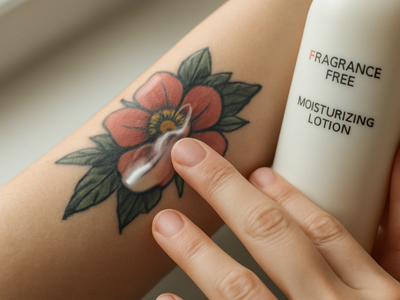
Blast-overs tend to involve more needle time and denser saturation than a fresh first tattoo, which means healing can be a little more intense. Stick to a simple, fragrance-free routine and don’t skip sun protection once it’s healed, since old and new ink both fade faster with UV exposure. A basic fragrance-free aftercare balm and a travel-size SPF stick will do more for keeping a blast-over crisp long-term than anything fancy.
Bottom line: a blast-over can genuinely rescue a tattoo you’ve been hiding under long sleeves for years, but it’s a technical, judgment-heavy process. Pick the artist first, then the design. That order actually matters here.