Every few months a numbing cream goes viral on TikTok promising a pain-free tattoo session, and every few months someone shows up to their appointment with a fistful of it, convinced they’ve hacked the system. Sometimes it helps. Sometimes it does almost nothing except make your skin weirdly slippery and annoy your artist. The truth is messier than the marketing, so let’s actually break down what these products can and can’t do.
What’s actually in the tube
Most over-the-counter numbing creams rely on lidocaine, usually somewhere between 4% and 5%. Lidocaine is a topical anesthetic that blocks nerve signals right at the surface of the skin, which is exactly the layer a tattoo needle is working in. In theory, that lines up nicely. In practice, lidocaine only penetrates a few millimeters deep, and it wears off. A sleeve session that runs four or five hours is going to outlast almost any cream you put on beforehand, numbing or not.
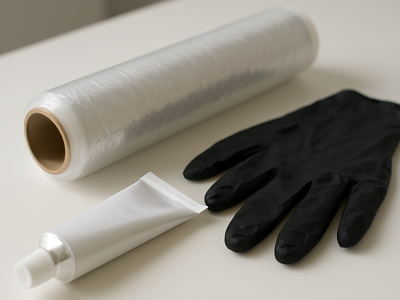
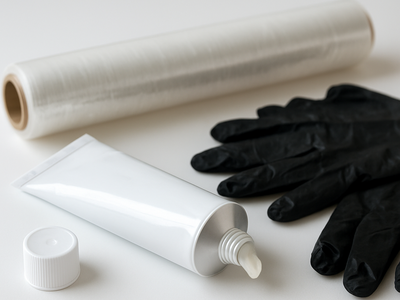
Some artists have zero issue with clients using an over-the-counter product like a basic 5% lidocaine numbing cream before a session, applied under plastic wrap about 45 minutes early. Others genuinely don’t want you touching your skin with anything before you walk in the door, because numbing creams can change skin texture, cause temporary swelling, or make the skin bleed more than usual once the anesthetic wears off mid-session. Ask before you assume.
Why it works better on some spots than others
Numbing cream tends to perform best on fleshier, less nerve-dense areas: outer thighs, calves, upper arms. It’s noticeably less reliable on ribs, hands, feet, and anywhere with thin skin over bone, which happen to be exactly the spots people are most desperate to numb. The cream just can’t penetrate deep enough or fast enough to override how sensitive those areas are. If you’re getting a rib piece and hoping numbing cream turns it into a nap, temper your expectations now.
The stuff nobody tells you about timing
Numbing cream isn’t a ‘put it on right before you leave the house’ situation. Most need 30 to 60 minutes under occlusion (that’s the plastic wrap step) to actually absorb. Slap it on in the waiting room ten minutes before your appointment and you’ve basically just moisturized your arm. And once your artist starts working, the numbing effect fades gradually rather than dropping off a cliff, so a lot of people report a weird experience where the first twenty minutes feel oddly fine and then pain creeps back in right as they’re settling into the chair, which can be more jarring than just feeling it from the start.
The stuff that can go wrong
- Overuse. Slathering on way more than the recommended amount doesn’t numb you more, it just increases how much lidocaine gets absorbed into your bloodstream, which in rare cases has caused serious reactions. The FDA has actually issued warnings about excessive topical anesthetic use, and it’s worth a quick read before you go overboard.
- Uneven skin. Numbed skin can feel different under the needle, and some artists say it changes how the skin responds to ink, though this is debated and probably varies by product and person.
- False confidence. The riskiest thing numbing cream does is convince people to book a much bigger or more painful piece than they’d otherwise choose, on the assumption they’ll feel nothing. When the cream inevitably wears off partway through, that mismatch between expectation and reality is rough.
So is it worth using?
For shorter sessions on forgiving body parts, sure, it can meaningfully soften the experience, especially for people who are anxious rather than in genuinely low pain tolerance territory. For long sessions or brutal placements, treat it as a minor assist, not a painkilling forcefield. And always, always check with your artist first. Some studios sell their own numbing products they trust and know how skin will react to, which is usually the safer bet than whatever has the flashiest packaging online.
Pain tolerance is also just weirdly personal and situational. Anxiety, sleep, caffeine, and even how nervous you are that day change how a session feels more than most people expect. A numbing cream helps at the margins. It’s not a substitute for going in mentally prepared.