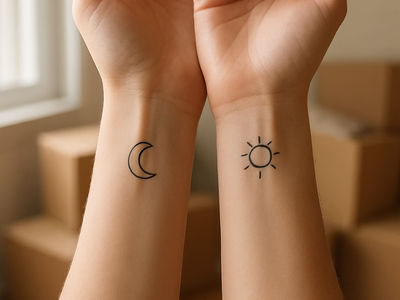
You didn’t think about the gym when you booked your appointment. Or maybe you did, and you’re the type who’s already planning to “just do legs today” three days post-tattoo. Either way, summer makes this a real problem. Between the actual heat outside and the sweat you generate lifting, running, or just existing in July humidity, your new tattoo is dealing with a lot more moisture than it would in, say, February. So let’s talk about what sweat actually does to healing skin, because it’s not the same conversation as swimming, even though people lump them together.
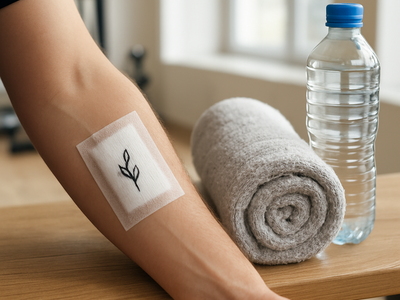
Sweat itself isn’t toxic to a tattoo the way pool chlorine or lake bacteria can be. It’s your own body’s fluid, mostly water and salt, and it’s not going to introduce some foreign contaminant the way murky water might. The bigger issue is what sweat does mechanically and environmentally. It sits on broken, healing skin. It gets trapped under clothing or gym gear. It creates a warm, damp environment that’s genuinely great for bacteria to multiply in, especially if you’re not wiping it away and letting it dry.
Why the gym specifically is a bad idea early on
It’s not just the sweat. It’s everything else that comes with a workout. Shared equipment covered in other people’s sweat and skin cells. Friction from gripping bars, wearing leggings, or resting a bicep against a bench. Stretching the skin repeatedly right where your tattoo is trying to close up. All of that adds up to a legitimate risk of irritation, scabbing that gets ripped open, or ink getting pulled out unevenly before it’s set. Most artists will tell you to skip intense exercise for at least a week, sometimes two, depending on placement and how big the piece is.
Placement matters a lot here. A tattoo on your calf is going to have a rough time if your routine is heavy squats or running. A tattoo on your forearm might survive a light workout better, as long as you’re not gripping anything abrasive right over it. Ribs and torso pieces are notoriously bad with any kind of core work or tight athletic wear. Basically, think about what fabric, friction, and flexing is going to happen right at the tattoo site, and plan around it instead of just “taking it easy.”
What to actually do if you sweat anyway
You’re not going to avoid sweating completely, especially if it’s 95 degrees out and you’re just walking to your car. The move is to blot, not rub, and let the area air dry as soon as you can. Don’t let sweat sit and dry into a salty film on top of a scab. A clean, breathable cloth is fine for blotting. Skip anything scented or textured. If you’re stuck sweating through a shift at work or a hot commute, a loose, breathable layer over the tattoo beats plastic wrap or anything airtight, since trapped moisture without airflow is its own problem.
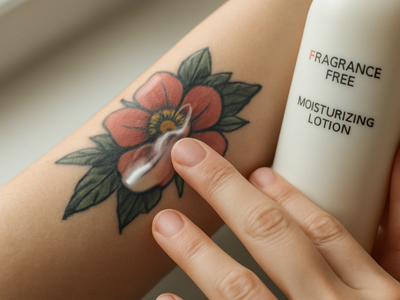
This is also where good aftercare products earn their keep. Something breathable that won’t clog the area is a better call than heavy petroleum-based ointments once you’re past the first day or two, especially in humid weather. A lot of people like an Aquaphor healing ointment for the very early stage, then switching to a lighter, fragrance-free lotion once it starts peeling. Keeping a small travel-size version in your gym bag isn’t overkill if you know you’re going back to workouts sooner than you probably should.
The honest timeline
Most healing guidelines, including the ones from public health resources on skin and water safety, point to roughly two to three weeks before skin is closed enough to handle real friction and sweat without much risk. That doesn’t mean you’re benched from all movement, but it does mean rethinking intensity, gear, and how much your tattoo is going to be rubbing against something for an hour straight. If you’ve got a big session planned, an event, or a trip where you know you’ll be sweating a lot, factor that into when you book the appointment in the first place. Planning around your own life is honestly easier than trying to out-heal a bad decision after the fact.