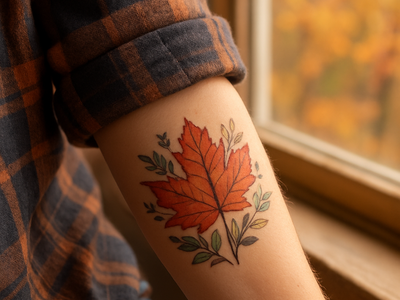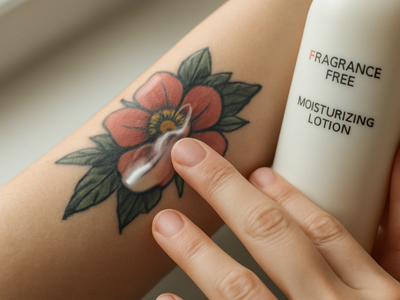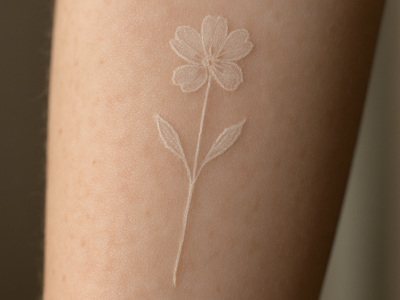
Every tattoo ages. That’s not pessimism, it’s just skin doing what skin does. But here’s the thing nobody tells you at 19 when you’re picking a spot for that first piece: location matters almost as much as the artist you choose. Some spots on your body are basically archival paper. Others are more like a napkin left out in the rain.
The high-friction zones are the enemy
Hands, fingers, and feet look incredible fresh out of the chair. They also take the most physical abuse of any part of your body. Constant washing, gripping, walking, shoe friction, sun exposure — it all adds up. Fine line work on fingers especially tends to blur and fade within a couple of years because that skin sheds and regenerates so fast. If you love the look, go in knowing you’re signing up for touch-ups, not a one-and-done.
Joints and creases fight you constantly
Elbows, knees, and the inside of wrists move nonstop, and skin that bends constantly stretches ink unevenly over time. Add in the fact that these areas often have thinner skin to begin with, and you get lines that soften or spread faster than a piece on, say, your shoulder or calf. Not a dealbreaker, just something to factor in if you’re chasing crisp geometric linework that you want to still look sharp in a decade.
Sun exposure is the quiet killer
Forearms, hands, and lower legs get hit with UV rays constantly, even on cloudy days, even through a car window. UV breaks down pigment and fades color way faster than most people expect. This is the actual mechanism behind that ’10 year old tattoo looks like it’s 30 years old’ effect. If a piece lives somewhere the sun can reach it daily, sunscreen isn’t optional maintenance, it’s the only thing standing between your tattoo and looking like a faded photocopy. A stick like the La Roche-Posay SPF stick is easy to keep in a bag and reapply without messing up detail work.
Where ink tends to hold up best
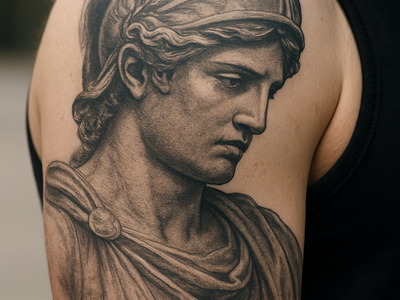
- Upper arms and shoulders — thicker skin, minimal stretching, easy to keep covered from sun
- Upper back — rarely bends, rarely sees direct sun, ages slow and steady
- Calves — still exposed to sun but less friction and movement than feet or hands
- Torso and ribs — protected from UV most of the year, though weight fluctuation can distort linework over time
Weight change is the wildcard nobody plans for
Ribs, stomach, hips, and thighs are prone to shifting if your weight goes up or down significantly over the years. This isn’t a reason to avoid those spots, plenty of people never have an issue, but it’s worth knowing that a tattoo there is somewhat at the mercy of your body’s future, not just your artist’s skill today.
So what should you actually do with this information
Placement isn’t a reason to talk yourself out of a tattoo you’re excited about. It’s a reason to set realistic expectations. If you’re getting something on your hand or foot, budget for touch-ups every few years and treat it like maintenance, not failure. If it’s going somewhere sun-exposed, sunscreen becomes part of the deal, forever, not just during healing. And if you’re choosing between two spots for the same design, and long-term crispness matters to you, lean toward the areas that don’t bend, stretch, or see daylight constantly.
For a deeper look at how skin structure changes with age and sun exposure, the American Academy of Dermatology has some genuinely useful info that applies whether you’re tattooed or not. Your ink is only ever as durable as the skin it’s sitting on.