Every summer, right around convention season and “I finally booked my appointment” season, the same question floods every tattoo forum: should I use numbing cream? And every time, you get two camps screaming past each other. One says it’s a miracle. The other says real ones don’t need it. Both are kind of wrong.
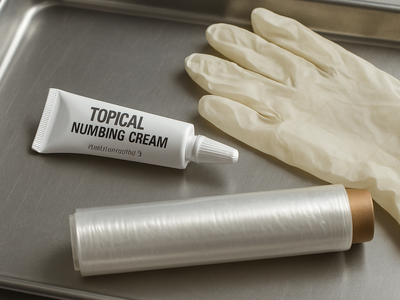
Numbing cream is not snake oil, but it’s also not the forcefield people want it to be. Most over-the-counter tattoo numbing products use lidocaine, benzocaine, or a combo, and they work by temporarily blocking nerve signals right at the surface of your skin. That part is real, backed by actual pharmacology, not wishful thinking. The problem is depth and duration, not effectiveness.
Why It Works Less Than You’d Hope
Tattoo needles don’t just sit on the surface. They go into the dermis, which is deeper than where topical numbing agents fully reach. So you get genuine relief on the first few passes, especially for that initial outline work, and then the numbing starts fading somewhere between twenty and ninety minutes in, depending on the product and your skin. Long sessions basically outlast the cream. That’s why people report feeling great for the first hour of a five-hour back piece and then suddenly very not great.
There’s also the skin-prep issue nobody mentions. A lot of numbing creams need to sit under plastic wrap for 30 to 45 minutes before tattooing even starts, which eats into your appointment time and can annoy an artist working on a schedule. Some studios are fine with it. Others have a quiet policy against it because thick numbing cream can make skin swell slightly or go rubbery, which actually makes lines harder to lay down clean. Always ask your artist before showing up pre-slathered. It’s a five-second text that saves an awkward conversation in the chair.
Where It Actually Helps
Numbing cream earns its keep in a few specific situations:
- Notoriously sensitive spots: ribs, inner arm, behind the ear, feet, that soft skin near armpits
- People with genuinely low pain tolerance who’d otherwise tense up and make the session drag
- Long single sessions where the first hour of comfort helps you settle in mentally
- Touch-ups on already-healed skin, where you’re not worried about interfering with an open wound area
A product like Numb Master numbing cream is a common pick because it’s specifically formulated for tattooing rather than repurposed dental gel, and it tends to have a more predictable onset window. If you go this route, apply it well before you leave the house, not in the studio parking lot, and bring extra in case your artist wants to reapply partway through a longer sit.
What It Won’t Fix
Numbing cream doesn’t do much for the deep, achy pressure feeling that shows up on bony areas like shins, ribs, or the spine, because that sensation isn’t purely a surface nerve signal, it’s more structural. It also can’t touch the emotional spiral that happens two hours into a session when you’re just tired and overstimulated. That part is endurance, not chemistry. A lot of what people call “pain” in a long session is really just fatigue, dehydration, or low blood sugar, and no cream fixes that. Eating a real meal beforehand and staying hydrated does more heavy lifting than most people give it credit for, something the folks at Healthline’s breakdown of tattoo pain touch on pretty well.
If you’re going into a long session, pairing numbing cream with something to keep your blood sugar steady, like keeping a few snacks in your bag, matters more than people expect. A small cooler bag or even just tossing a couple of electrolyte packets in your kit isn’t glamorous advice, but it’s the kind of thing that actually gets you through hour four without feeling like garbage.
The Honest Verdict
Numbing cream is a legitimate tool, not a cheat code and not a scam. It takes the edge off the first stretch of a session, which matters most for sensitive areas and nervous first-timers. It won’t make a six-hour sitting feel like a spa day, and it won’t replace actually being prepared: sleeping well, eating beforehand, and picking an artist you trust enough to relax around. Use it as one piece of the plan, not the whole plan.