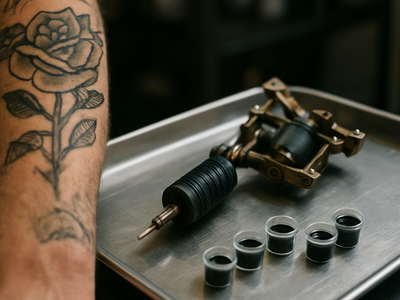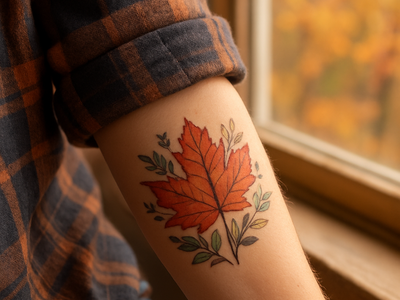
Every few months someone in a tattoo forum asks the same question: is numbing cream actually worth it, or is it just a $30 way to convince yourself you’re tougher than you are? The honest answer is somewhere in the middle, and it depends a lot on where you’re getting tattooed and how much pain you’re genuinely trying to avoid versus just dreading.
What numbing cream is actually doing to your skin
Most over-the-counter numbing products use lidocaine, benzocaine, or a combo of the two, sometimes with tetracaine thrown in for extra punch. These are topical anesthetics that block nerve signals near the surface of the skin. They don’t do anything for the deeper ache some people feel, especially over bone, but they can seriously dull that sharp, scratchy sting during the outline. If you’ve ever wondered why your forearm tattoo felt like nothing and your rib piece felt like betrayal, nerve density and skin thickness are the reason, not your pain tolerance suddenly disappearing.
The FDA has actually put out warnings about overusing topical anesthetics, because slathering on too much or wrapping it under plastic wrap for hours can push more lidocaine into your bloodstream than your body is built to handle. That’s rare, but it’s not nothing. Follow the directions on the package. Don’t treat “more numb” as a game you’re trying to win.
Timing matters more than the brand
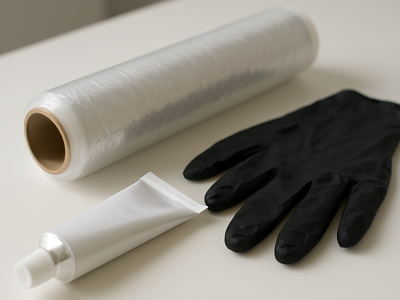
A lot of people buy numbing cream, slap it on right as they walk into the shop, and wonder why it didn’t do much. Most creams need 30 to 60 minutes of contact time, ideally under plastic wrap, to actually sink in. If your appointment is in fifteen minutes and you just applied it in the parking lot, you basically wasted your money and your skin’s patience.
Here’s the catch nobody tells you upfront: numbing cream only works for the first hour or so of a session. After that, as the anesthetic wears off, the pain can come back harder than if you’d never used it at all, because your nerves are now extra sensitized from being blocked and then released. For a small tattoo, this is a non-issue. For a four-hour backpiece session, it’s something to actually plan around with your artist.
What’s worth buying versus what’s hype
- Lidocaine-based creams like Zensa are a solid starting point and widely used in the tattoo community for a reason — they’re formulated for exactly this.
- Spray-on numbing products can be handy for touch-ups or smaller sessions where you don’t want to deal with cream and plastic wrap, though they tend to wear off faster.
- Ice packs sound appealing but most artists will tell you to skip them — they constrict blood vessels and can actually make the skin harder to work with.
- Skip anything that promises “zero pain guaranteed.” No topical product eliminates sensation entirely, and claims like that are usually a red flag for a sketchy product.
Tell your artist, don’t surprise them
This part gets skipped constantly. Numbing creams can make the skin slightly puffy or change how it responds to ink, and a good artist wants a heads-up before they start, not a confession halfway through the outline. Most shops are fine with it as long as you’re upfront. Some genuinely prefer you don’t use anything stronger than an over-the-counter option, since heavier prescription-strength numbing agents can mess with how the skin takes ink.
If you’re someone who white-knuckles every appointment or you’ve got a session booked somewhere notoriously painful — ribs, ankles, the inside of the elbow — a numbing cream isn’t cheating. It’s just a tool. Use it correctly, give it time to work, and tell your artist what you did. The goal isn’t to feel nothing. It’s to make it through the appointment without dreading the next three hours.