You found the artist, you picked the date, you Venmo’d over a deposit for your custom piece — and then life happened. Work trip, breakup, your dog needed surgery, whatever. You cancel, and suddenly you’re out $100 or $150 with nothing to show for it. Before you fire off an angry DM, here’s what’s actually going on.
A deposit isn’t a down payment, it’s a promise
Most people assume a deposit works like a layaway payment — money that gets applied to the final cost and refunded if things fall through. In tattooing, it almost never works that way. A deposit is compensation for the artist’s time: the hours they spend sketching your design, researching references, and blocking off a chunk of their calendar that they’re now turning away other clients for. The second you book, that slot stops being available to anyone else. If you no-show or cancel last minute, the artist has already lost that income with zero notice to fill the gap.
That’s why nearly every shop has a posted policy that deposits are non-refundable, full stop. It’s not personal, and it’s not a scam. It’s standard practice across the industry, similar to how photographers or wedding vendors handle retainers.
When you might actually see that money again
There are a few situations where artists will bend:
- Rescheduling with real notice. Give 48-72 hours (check your shop’s specific window) and most artists will happily move your deposit to a new date instead of forfeiting it.
- The artist cancels on you. If they get sick, close the shop, or reschedule on their end, your deposit should roll over or get refunded. If it doesn’t, that’s a red flag worth escalating.
- You never got a design. If you paid a deposit for a custom piece and the artist ghosted without producing a sketch after weeks of silence, you have a legitimate case for a refund, especially through your bank or payment app’s dispute process.
Outside of those, assume the money’s gone the moment you hand it over. Some artists will apply a portion toward future work as a courtesy, but that’s generosity, not obligation.
How to protect yourself before you pay
Ask for the shop’s cancellation policy in writing before you send anything. Reputable studios have this spelled out on their booking form or website, and a shop that gets cagey about it is telling you something. It also helps to pay through a method with some buyer protection rather than an app that treats it like sending cash to a friend — that distinction matters if a dispute ever comes up. The FTC has general guidance on cash payment protections that’s worth a skim if you’re unsure what recourse you actually have.
The bigger picture
Treat your deposit like buying a concert ticket, not like a security deposit on an apartment. You’re paying for a reserved spot and someone’s creative labor, not a refundable placeholder. If you’re not fully sure about your schedule, be upfront with the artist before booking — a lot of shops will let you hold a tentative date without money changing hands until you’re certain.
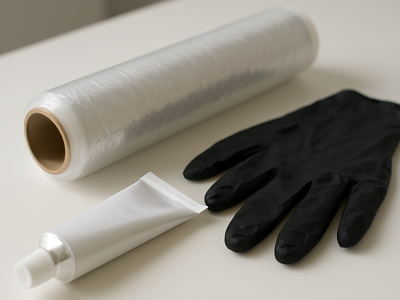
And once that appointment actually happens, don’t blow the whole budget on the tattoo itself and skip the aftercare. A good fragrance-free healing balm is a lot cheaper than a touch-up session, and honestly a lot cheaper than another deposit.